Executive AI Workshops
Executive AI Workshops: Leadership OS, Personal OS and a Second Brain

What this workshop is
An executive AI workshop is a hands-on session where I help leaders put AI into their own daily work. Together we build a leadership operating system, a personal operating system and a second brain, inside the limits of your company’s AI-use policy. It runs as a group workshop or one-on-one, as a half day, full day or weekend, and each program is customized to your organization.
66-word direct answer
Key takeaways
- Built around how your leaders already work, not a generic AI tool demo.
- We start from your corporate AI-use policy, so everything we set up is allowed.
- A pre-workshop guide means the session is spent building, not explaining.
- Group workshop or one-on-one. Half day, full day or weekend.
Who it’s for
Executive teams, founders, department heads and senior leaders who already know AI matters and now want it working inside their own week: their email, meetings, decisions, planning and the knowledge they carry in their heads.
It fits organizations that want leaders to go first, so they can model good AI use for their teams, and leaders who have tried AI tools on their own but never turned them into a system they rely on.
What we build
Every program covers three connected systems, all set up inside the limits of your AI-use policy. Your second brain feeds your personal operating system, and both support how you lead.
Inside your AI-use policy: approved tools, data rules, review points
- Second brainWhat you know, findableNotes, meeting records, research and reference, organized so AI can search and summarize them.
- Personal operating systemHow each leader runs the dayDaily brief, inbox and calendar triage, saved instructions, weekly review.
- Leadership operating systemHow the organization runsPriorities, decisions, meeting rhythm, delegation and reporting, with AI in the loop.
Leadership operating system
How you run the organization with AI in the loop: priorities, decisions, meeting rhythm, delegation and reporting.
- A weekly planning and review routine
- AI-assisted meeting prep, notes and follow-ups
- A decision log your team can see
- Clear rules for when a person reviews AI output
Personal operating system
How each leader runs their own day: inbox, calendar, focus time, tasks and the standing instructions their AI assistant follows.
- A daily brief and end-of-day wrap
- Saved instructions and templates for recurring work
- Inbox and calendar triage habits
- A setup that fits your role, not someone else’s
Second brain
A trusted place for what you know: notes, meeting records, research and reference material, organized so AI can help you find and use it.
- One capture inbox and a simple structure
- Meeting notes that turn into actions
- Search and summaries across your own material
- Kept in tools and accounts your policy approves
How it works
Every program follows the same four steps, starting with your rules.
- Step 01Policy reviewApproved tools, data rules, sign-offs
- Step 02Initial consultation30-minute video call
- Step 03Pre-workshop guideAccounts, access, real examples
- Step 04Implementation workshopBuilt hands-on, working by the end
Understand your AI policy
We start by understanding your corporate policies on AI use: which tools are approved, what data can and cannot go into them, and who has to sign off. If you don’t have a policy yet, we note the gaps so your team can decide them before anything is built.
Initial consultation
A 30-minute video call to learn about your organization, your leaders and how they work today. We agree on the format (group or one-on-one), the length (half day, full day or weekend) and what each person should leave with.
Pre-workshop guide
After the consultation, I send a pre-workshop guide so everyone can prepare: accounts to set up, access to confirm, examples of real work to bring and short decisions to make in advance. That way the workshop time goes to implementation.
Implementation workshop
We build it together, hands-on, using each leader’s own work. Everyone leaves with their systems set up and working, and a short list of next steps.
Formats and lengths
Choose the format and length that fit your team. We settle the details in the initial consultation.
Format
- Group workshopShared habits for a leadership team
- One-on-oneBuilt around one executive’s role
Length
- Half dayA focused start on one system
- Full dayAll three systems, with practice
- WeekendRoom to go deep, away from the week
| Option | Best for |
|---|---|
| Group workshop | A leadership team that wants shared habits, shared rules and a common setup, with time for each person to build their own |
| One-on-one | An individual executive who wants a setup built entirely around their role, schedule and tools |
| Half day | A focused start: one system, usually the personal operating system, set up and working |
| Full day | All three systems, with time to practice on real work |
| Weekend | Leaders who want to step away from the week and go deep, including a full second brain setup |

Principle
The goal is not a team that knows more about AI. It is leaders whose next Monday runs differently because the systems they built are already working.
Customized to your organization
No two programs are the same. The tools, the examples and the order we build things in all come from your policy, your leaders and the work in front of them. Organizations in regulated fields may need their compliance or IT lead involved before the workshop, and the pre-workshop guide says so.
Who leads the workshops
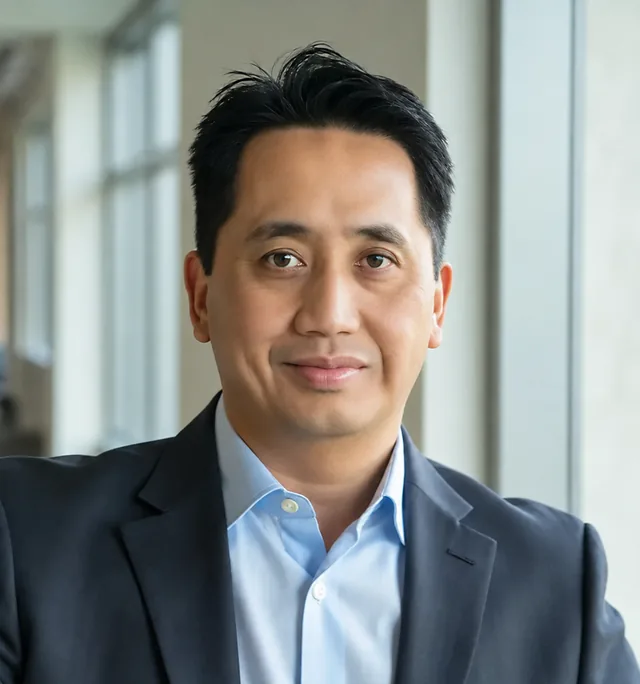
I do. I’m Martin Zialcita, an AI Implementation Strategist based in Honolulu and the founder of AI Marketing Box, which handles contracting and invoicing. I also founded Future Skills Hawaiʻi. You can read more about my background, or see the other workshop formats I offer.
Frequently asked questions
Are AI workshops worth it, or can leaders learn this on YouTube?
They are worth it when the session is built on your leaders’ real work rather than generic demos. Videos explain tools; they don’t set up your systems around your policy, calendar and decisions. In this workshop each leader leaves with their own working setup, which is the part self-study rarely gets to.
Should we choose a group workshop or one-on-one sessions?
Choose a group workshop when you want shared habits and rules across a leadership team, and one-on-one when a single executive needs a setup built entirely around their role. Many organizations start with one format and add the other. We decide together in the initial consultation.
Is it safe to use company data with AI tools?
It can be, when you use the tools and accounts your company approves and follow its data rules. That is why we start with your AI-use policy. We only build with approved tools, keep restricted data out, and set clear points where a person reviews AI output before it is used.
What if our company doesn’t have an AI policy yet?
We can still start, but we list the decisions your policy needs to cover first: approved tools, data that must stay out and who signs off. Your organization makes those decisions, not me. My guide to what an AI policy should include is a useful starting point.
What is a personal operating system?
A personal operating system is the set of routines, templates and standing instructions you use to run your own day, with AI doing much of the preparation. It usually includes a daily brief, inbox and calendar triage, task capture and a weekly review, set up to match how you actually work.
What is a leadership operating system?
A leadership operating system is how a leader or leadership team runs the organization week to week: priorities, decisions, meetings, delegation and reporting. With AI in the loop, meeting prep, follow-ups and status summaries take less effort, and decisions get recorded where the team can find them.
What is a second brain, and which app should I use?
A second brain is a trusted, searchable place for your notes, meeting records and reference material, organized so AI can help you find and use it. The right app depends on your policy and existing tools. We often start with what your organization already licenses rather than adding another subscription.
Which AI tools do you use in the workshop?
We use the AI tools your organization already approves, such as ChatGPT, Microsoft Copilot, Google Gemini or Claude. The habits and structures we build carry over between tools, so if your company changes tools later, your systems still make sense. Tool choices are confirmed in the pre-workshop guide.
How long is an executive AI workshop?
You can choose a half day, a full day or a weekend. A half day suits a focused start on one system. A full day covers all three systems with time to practice. A weekend gives leaders room to go deep, including a full second brain setup.
Do participants need technical skills?
No. The workshop is designed for leaders, not engineers. If someone can use email, a calendar and a web browser, they can take part. The pre-workshop guide covers any account setup in advance, so nobody spends session time stuck on logins.
Is the workshop in person or online?
Either. Sessions can run in person on Oʻahu, or online by video for teams elsewhere. In-person works well for group workshops where leaders build side by side. We agree on the setting during the initial consultation and confirm it in the pre-workshop guide.
What preparation is needed before the workshop?
Each participant follows a short pre-workshop guide sent after the initial consultation. It covers accounts and access to set up, real examples of work to bring, and a few decisions to make in advance. Preparing ahead means the workshop itself is spent building systems rather than explaining them.
What happens after the workshop, and will it stick?
Each leader leaves with systems already running and a short list of next steps, which is what makes new habits stick. The real test is whether their following week runs differently. If your team wants follow-up sessions or wider rollout, we can scope that separately through AI Marketing Box.
How much does an executive AI workshop cost?
Pricing depends on the format, the length and the number of participants, so it is quoted after the initial consultation. The consultation is a 30-minute video call. Contracting and invoicing run through AI Marketing Box, and you receive a written scope before anything is booked.